Quick Summary
- Pre-cut sod grown on sandy farm soil goes into “transplant shock” when it hits Colorado Springs’ dense clay — and most of it never recovers.
- Hydroseeding works differently: seeds germinate directly inside a custom slurry that bonds to your soil, growing roots downward through the clay rather than sitting on top of it.
- After 40+ years treating Front Range clay, we’ve seen it all — and a custom slurry-applied seed blend is the most cost-effective, permanent fix we know.
You spent real money on sod. You watered it. You babied it. And it still turned brown.
If that sounds familiar, you’re not doing anything wrong. The problem isn’t you — it’s the soil underneath your feet, and the fact that traditional sod was never designed to survive it.
Here’s what’s actually happening, and more importantly, how to fix it for good.
Colorado Springs Clay Isn’t Just “Hard Dirt”
The soil across much of Colorado Springs and the Front Range is dense, alkaline clay — and it behaves completely differently from the loose, sandy loam you see in most lawn care guides.
When it’s dry, it’s practically concrete. When it rains, it seals itself off. Water pools on top instead of soaking in. Roots can’t push through. And anything planted on the surface — including expensive pre-cut sod — sits there struggling until it gives up.
This isn’t a watering problem. It’s a soil structure problem.
The Real Reason Sod Fails on Clay: Transplant Shock
Here’s the part most landscaping companies won’t tell you.
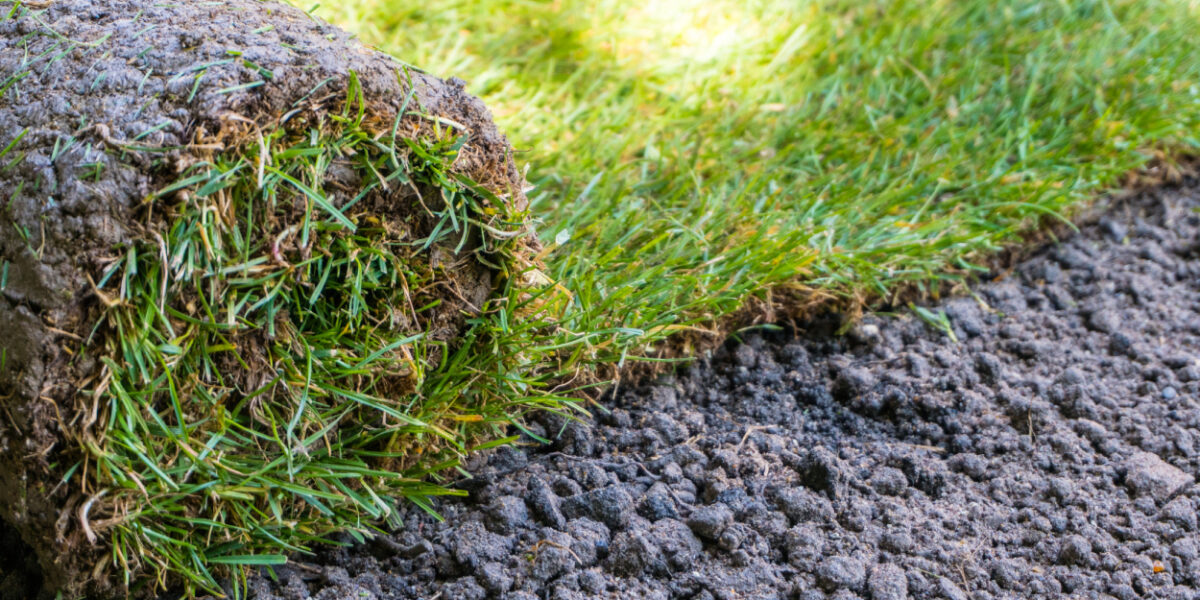
Commercial sod is grown on sandy, nutrient-rich farm soil. Those roots develop in loose, forgiving ground — they spread out wide and shallow because that’s what the environment rewards. Then the sod gets rolled up, shipped to your neighborhood, and laid down on top of your dense, compacted clay.
Think of it like transplanting a tropical houseplant into a pot of wet cement. The roots hit a wall.
That’s transplant shock. The sod’s root system, designed for sandy loam, physically cannot penetrate your clay. It can’t anchor. It can’t pull moisture from deeper in the soil. So even if you water religiously, the sod is essentially sitting on top of your yard — not growing into it.
Within a few weeks, it browns out. And you’re back to square one, only lighter in the wallet.
What Hydroseeding Does Differently
This is where custom slurry-applied seed blends change everything.
Instead of transplanting a root system that already exists, hydroseeding starts from scratch — right in your soil. A proprietary mix of seed, hydromulch, fertilizer, and water is sprayed directly onto your yard as a thick, bonded slurry. The seed doesn’t sit on top of the clay. It germinates inside a layer that’s already bonded to your soil surface.
Those seedlings grow their first roots downward, into your actual yard — not into some foreign sandy medium they were raised in. They develop in the clay from day one, which means they learn to live in it.
The result? Roots that actually anchor. Grass that actually survives.
And you can see grass within 5 days.
The Hydromulch Factor: Why This Works in Colorado’s Dry Climate
Here’s another piece of the puzzle that matters a lot on the Front Range.
Colorado Springs is arid. The sun is intense. And clay soil, once it dries out, repels water like a parking lot.
The hydromulch in a quality slurry blend retains up to ELEVEN TIMES its weight in water. That means the seedbed stays consistently moist through the critical germination window, even when the surface of your clay would otherwise bake dry between waterings.
It’s the difference between seeds that sprout and seeds that die before they ever get started.
“Can’t I Just Put Topsoil Over My Clay?”
It’s a fair question — and yes, you can. But here’s the honest answer from someone who’s been [amending alkaline heavy clay soils](internal link: Soil Amendment Services) on the Front Range for over 40 years:
Topsoil replacement is expensive, temporary, and incomplete. You’d need several inches of quality topsoil to give sod roots enough room to grow before they hit the clay layer underneath. On an average yard, that cost adds up fast — and if the topsoil isn’t properly integrated, you’ve just created a new interface problem at a different depth.
Hydroseeding skips that entirely. The grass grows in your actual soil from the start.
Getting Your Yard Ready for Success
Before any seeding — hydro or otherwise — [preparing your yard for success](internal link: Lawn Preparation/Grading) matters. Here’s what makes a real difference on clay:
- Light grading or leveling to eliminate pooling zones
- Scarifying the surface (not deep tilling — just enough to break the crust) so the slurry bonds properly
- Timing — spring and early fall are the sweet spots in Colorado Springs before heat stress sets in
You don’t need to completely rebuild your yard. You just need the surface ready to receive the slurry correctly.
A Lush Lawn in Colorado Springs Is Actually Possible
After 40+ years working in Colorado soil, we’ve watched a lot of homeowners give up on their yards. They assume the clay just wins. It doesn’t have to.
The families we’ve worked with across Colorado Springs, Pueblo, and Denver are always a little surprised when they see grass pushing through within the first week. It’s not magic — it’s the right seed, the right slurry formula, and roots that grow where they’re supposed to from day one.
A lawn that turns heads in your neighborhood isn’t out of reach. It just requires the right approach for your soil.
Ready to Stop Fighting Your Yard?
If you’ve been spinning your wheels on dead sod or patchy grass, let’s talk. We’ll take a look at your yard, tell you exactly what we’re working with, and give you a straight answer on what it’ll take to get a lush, green lawn — at a fraction of the price of sod.
Call Taravella’s Hydro-Turf today.
Family-owned and operated. Serving Colorado Springs, Pueblo, Denver & the Front Range for over 40 years.
Frequently Asked Questions
Sod is grown on sandy farm soil, so its roots are designed for loose, forgiving ground. When you lay it on dense Colorado clay, the roots can’t penetrate the soil — a condition called transplant shock. Without the ability to anchor or pull moisture from deeper layers, the sod starves and browns out, even with regular watering.
Yes — and it’s actually one of the best applications for it. Unlike sod, hydroseeding doesn’t transplant an existing root system. Seeds germinate directly in a slurry bonded to your soil surface, so roots develop in your clay from day one. The hydromulch layer also retains up to eleven times its weight in water, keeping the seedbed moist through germination even in Colorado’s dry climate.
You can, but it’s expensive and often temporary. You’d need several inches of quality topsoil to give roots enough room before they hit the clay layer underneath — and if it’s not properly integrated, you create a new root barrier at a different depth. Hydroseeding is a more cost-effective solution because the grass establishes directly in your existing soil, without needing a full topsoil replacement.